For Canadians wondering if life could work better in Japan.
This is for people who are not just thinking about a vacation. You are questioning whether the place you live still offers the safety, order, affordability, health care, public trust, and daily quality of life you expected — and whether Japan might be a serious option.
Not a relocation agency. Not a visa service. Not a real-estate brokerage. This is a decision and lifestyle-fit consultation for people seriously considering Japan as a life option.
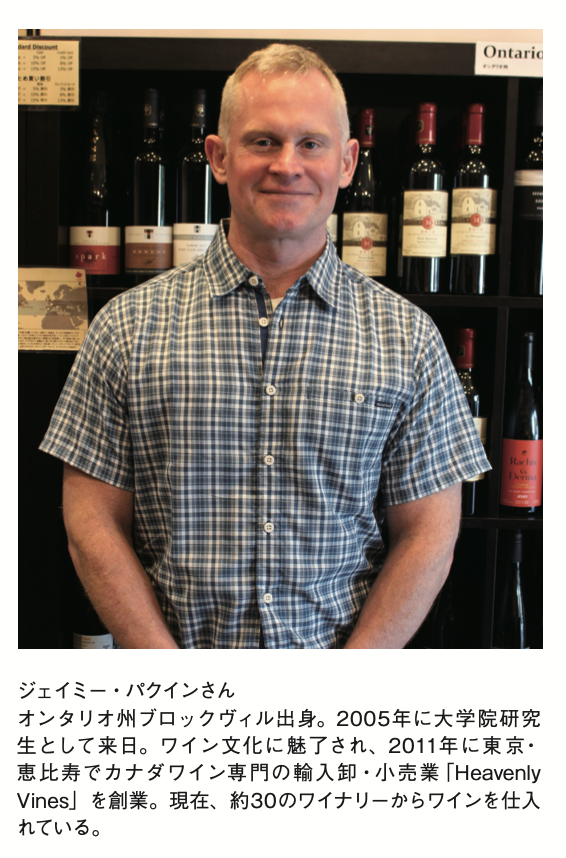
I came to Japan for 18 months. I stayed for 20 years.
I came to Japan about 20 years ago, initially for an 18-month stay as a PhD candidate doing research. The quality of life was so appealing that I stayed, eventually married, and started a Canadian wine business here.
I love the civility, cleanliness, superb service, diverse environments, mild winters, beautiful beaches, amazing food quality, and so much more. It is sad to say, but each visit back to Canada over the past decade has made me love Japan more.
This usually starts with a feeling that something has changed.
Most people do not begin considering Japan because everything is going well at home. They arrive at the question because ordinary life has started to feel harder, less stable, less affordable, or less aligned with the future they imagined.
Common frustrations in Canada and the West
The concerns are often practical before they are ideological.
- Housing and rent feel disconnected from normal incomes.
- Groceries, taxes, services, and daily costs feel heavier.
- Public spaces can feel less orderly, safe, or predictable.
- Health care and institutions can feel slow or overstretched.
- Many people feel tired of social tension and cultural decline.
Why Japan attracts attention
Japan’s appeal is often not exotic. It is the relief of normal things working.
- Clean streets and public spaces.
- Reliable trains and convenient daily systems.
- A strong sense of safety in ordinary life.
- Good food at many price points.
- A culture where consideration for others still matters.
Japan offers a different model of daily life.
Japan is not simply cheaper, calmer, or cleaner. It is a different society with different expectations. But for many people from Western countries, the contrast is noticeable: more public order, better everyday convenience, safer streets, healthier routines, and a deeper connection between place, season, food, and daily life.
Public order
Clean streets, safe transit, quiet public behaviour, and a general expectation that people consider others.
Daily function
Reliable trains, useful convenience stores, walkable neighbourhoods, efficient services, and less daily friction.
Quality of life
Fresh food, seasonal living, nature access, regional variety, hot springs, coastlines, mountains, and calmer routines.
Language and AI tools
Many Japanese people are not comfortable speaking English. AI translation tools now make many tasks possible, but that is different from effortless daily interaction.
There is not one Japan. There are many possible lives here.
One of the biggest mistakes people make is thinking only in terms of Tokyo. Japan can mean a quiet seaside town, a mountain village, a commuter suburb, a regional city, a ski area, a tropical island lifestyle, or a practical base just outside a major urban centre.
South Chiba / Kamogawa
Ocean, fishing villages, surf culture, mountains, farms, and slower daily rhythms while still being within reach of Tokyo.
Izu Peninsula
Ocean views, hot springs, fishing ports, mountain roads, beaches, and dramatic coastline without feeling completely cut off.
Okinawa and the islands
Beaches, warm weather, a slower pace, and a very different cultural atmosphere. Okinawa can feel like a different country inside Japan.
Cheaper areas outside big cities
Some people need work, schools, hospitals, and trains. The practical option may be a less expensive city or suburb within commuting range.
Fukuoka, Sendai, Hiroshima, Nagoya and beyond
Regional cities can offer real urban services, airports, universities, restaurants, hospitals, and lower pressure than central Tokyo.
Hokkaido, Nagano, Niigata and ski towns
For people who like winter, Japan’s north and mountain regions offer snow, skiing, hot springs, clean air, and quieter communities.
Rural housing can be surprisingly inexpensive — but it is not automatically easy.
Japan has a large vacant-house problem. Government housing data recorded roughly 9 million vacant homes in 2023, equal to 13.8% of the housing stock. That creates unusual opportunities, especially in rural and semi-rural areas, but the low purchase price is only one part of the calculation.
Older homes may need major renovation, earthquake or roof work, insulation, pest control, septic or utility checks, car access, legal review, and careful confirmation of local rules. The right house can be life-changing. The wrong cheap house can become an expensive project.
Start with decision clarity before spending serious money or energy.
The goal is not to convince you to move. The goal is to help you understand whether Japan is realistic, attractive, risky, or worth exploring further.
Japan Option Reality Check
A focused first consultation for people asking: “Is Japan actually realistic for me?” We look at motivation, timing, work, money, family, location, language, health, and risk.
Start the Intake FormLocation & Lifestyle Fit Session
For people comparing Tokyo, commuter towns, regional cities, coastal life, ski areas, Okinawa, Izu, Chiba, or quieter rural possibilities.
Start the Intake FormRural Housing Reality Check
For people attracted to cheap homes or akiya-style properties who need to understand location, renovation, access, utilities, legal review, language, resale, and lifestyle risk.
Start the Intake FormA simple process for a complicated decision.
Complete the intake form
Share your situation, concerns, why Japan is on your mind, and what kind of life you are considering.
I review your fit factors
Location, work, money, family, visa direction, language, temperament, lifestyle expectations, and risk points.
We meet online
We clarify whether Japan is realistic, attractive, risky, or worth exploring further.
You leave with next steps
Not a fantasy, not a sales pitch — a clearer decision path and a better set of questions.
Why Japan feels different in daily life.
Statistics cannot decide your life for you. But they help explain why Japan feels so different to many people from Canada and other Western countries: lower reported crime, far less visible street homelessness, little visible street-drug culture, strong health-system capacity, and a different cost structure.
The street-drug and marijuana difference
Japan is not drug-free, and no country is perfect. But open street-drug use, cannabis-store culture, and public marijuana normalization are not normal parts of daily life in Japan. Canada legalized and regulated recreational cannabis, and Health Canada’s 2024 survey reported that 26% of people aged 16+ used non-medical cannabis in the past 12 months. Japan has no legal recreational cannabis market, and Tokyo police warns that possession and use of illegal drugs are crimes, with cannabis categorized as narcotics from December 12, 2024.
The point is not that Japan wins every category.
Japan has trade-offs: language, bureaucracy, hierarchy, immigration limits, work culture, earthquakes, humidity, older housing stock, and the challenge of being an outsider. But for people frustrated by visible disorder, crime, public-space decline, healthcare access, and housing pressure, Japan offers a very different daily-life bargain.
This is for serious exploration, not fantasy relocation content.
This is for you if:
- You are Canadian or from another Western country and seriously questioning your future there.
- You are drawn to Japan but want sober, practical guidance.
- You want to compare different lifestyles, not just “move to Tokyo.”
- You want to avoid fantasy thinking around cheap houses, rural life, or Japan as an escape.
- You are willing to think honestly about money, language, family, health, visas, and adaptation.
This is not for you if:
- You want guaranteed visa, legal, tax, or immigration advice.
- You want someone to immediately find an apartment, school, bank account, or job.
- You want Japan sold to you as perfect.
- You are not ready to think about cultural fit, language limits, work reality, or being an outsider.
- You want a cheap house without considering renovation, location, access, and long-term practicality.
Questions people usually need to ask before they get serious.
Is this a relocation agency?
No. This is a decision and lifestyle-fit consultation. It helps you think clearly before you hire relocation, legal, real-estate, or immigration professionals.
Can foreigners buy property in Japan?
Foreigners can buy property in Japan, but buying property and securing residence status are separate issues. Treat housing and immigration as two different decisions.
Does buying a house give me residency?
No serious plan should assume that property ownership solves residency. Visa and residence status need to be considered separately with qualified advice.
Is rural housing really cheap?
Sometimes. But a low purchase price can hide renovation, access, legal, utilities, inheritance, pest, roof, insulation, earthquake, and contractor problems.
Can I live in Japan without fluent Japanese?
It depends on location, work, family situation, and tolerance for friction. Tokyo and major cities are easier. Rural life without Japanese support can become difficult quickly.
Do AI tools make the language barrier easier?
Yes. AI translation, camera translation, speech tools, and document summarizers now make many tasks possible that would have been much harder years ago. They can help with menus, signs, forms, websites, messages, and basic conversations. But that is not the same as effortless daily interaction. Neighbours, doctors, contractors, schools, city offices, and social life still involve nuance, patience, and cultural context.
Is Tokyo the best place to start?
Not always. Tokyo is convenient and internationally accessible, but Japan’s strongest lifestyle fit for you may be a regional city, commuter town, coast, island, ski area, or semi-rural base.
What makes this different from regular Japan relocation content?
This starts before relocation. The question is not “How do I move?” but “Should I even be considering this, and what version of Japan would actually fit my life?”
The intake form gives us a practical place to begin.
Share where you are now, why Japan is on your mind, what you are trying to move away from, and what kind of life you are considering. After reviewing your form, I can follow up about the most useful next step.
Before deciding whether Japan is realistic, understand what the option actually is.
The goal is not to escape into a fantasy. The goal is to make a better life decision with clearer eyes.
Start the Intake FormQuestions before completing the form? Email: jamie@heavenlyvines.com